Understanding Protein: Beyond Just Muscle Building
Protein is frequently discussed in the context of muscle development, but this focus significantly underrepresents its biological importance. Protein serves as a fundamental building block and functional molecule for nearly every structure and process in the human body. Understanding protein's diverse roles requires moving beyond the simplistic muscle-building narrative.
The Chemical Nature of Protein
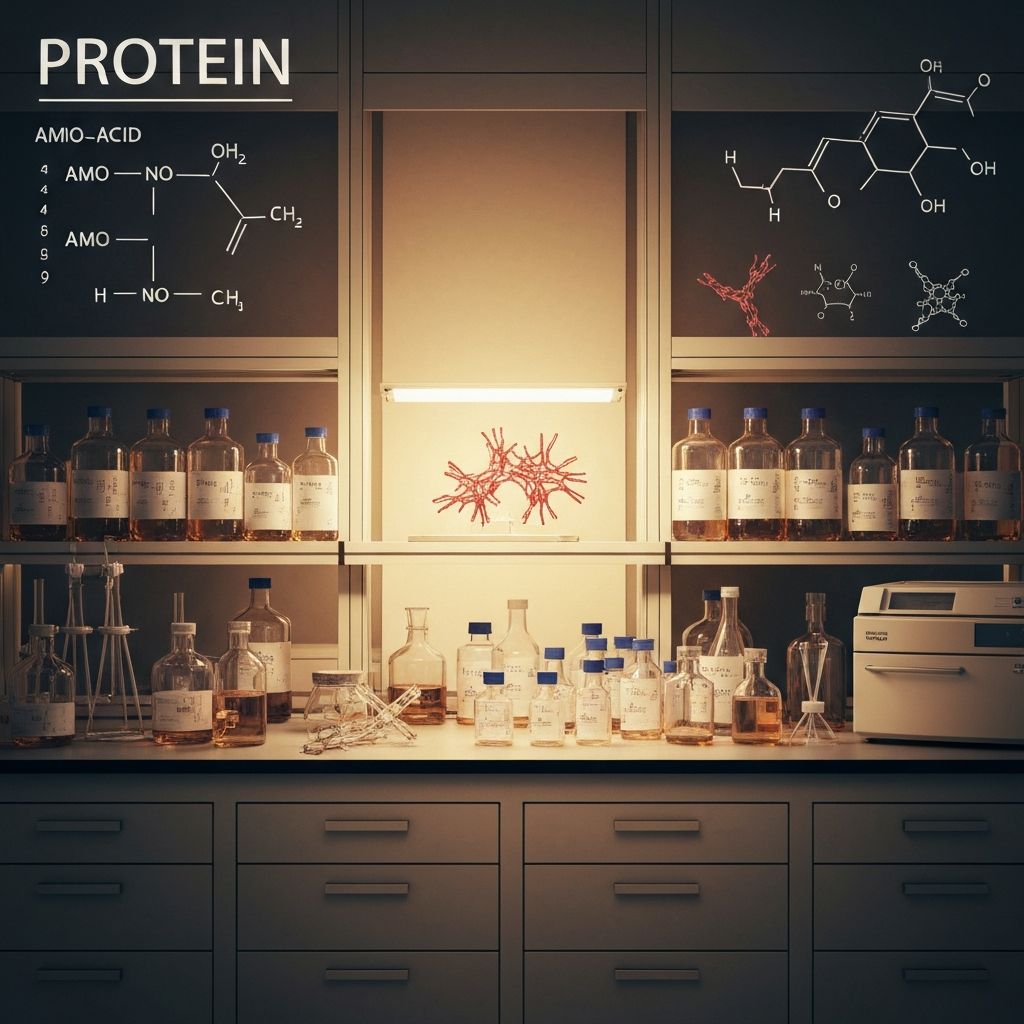
Proteins are complex molecules composed of amino acids linked in specific sequences. The human body contains approximately 20 standard amino acids, nine of which are considered essential—meaning the body cannot synthesize them and they must be obtained through food sources. The specific combination and sequence of amino acids determine each protein's function and structure.
Enzymatic Functions
Enzymes are specialized proteins that catalyze biochemical reactions—essentially enabling the chemical processes required for life. From digesting food to synthesizing energy molecules, enzymes facilitate thousands of reactions within your body every second. This enzymatic role represents one of protein's most critical functions, operating largely unseen in everyday consciousness.
Energy Production
Enzymes involved in cellular respiration enable the conversion of nutrients into usable energy in the form of ATP (adenosine triphosphate). Without these protein enzymes, energy production would cease and life would not be possible.
Nutrient Metabolism
Enzymes regulate the breakdown and utilization of carbohydrates, fats, and vitamins. These enzymatic processes are essential for converting food into forms your body can use and for maintaining appropriate nutrient levels.
Hormone Production and Signaling
Many hormones are protein-based molecules that regulate fundamental physiological processes. These include insulin (glucose regulation), growth hormone (tissue development), and thyroid hormones (metabolism). Additionally, various proteins serve as cellular signaling molecules, enabling communication between different body systems.
Immune Function
Antibodies, which form the foundation of specific immune response, are specialized proteins. These molecules recognize pathogens and coordinate the immune system's defensive response. A adequate protein intake supports the production and maintenance of these critical immune components.
Structural Support and Tissue Maintenance
Collagen, the most abundant protein in the human body, provides structural integrity to skin, bones, tendons, and connective tissues. Muscle tissue itself is composed largely of protein. These structural roles extend far beyond aesthetics—they are fundamental to physical function and integrity.
Protein Sources and Amino Acid Profiles
Different protein sources provide varying amino acid compositions. Animal-based sources such as meat, fish, eggs, and dairy typically contain all nine essential amino acids in appropriate proportions. Plant-based sources vary—legumes are protein-rich but lower in methionine, while grains contain less lysine. Consuming diverse plant sources or appropriately combining plant proteins ensures comprehensive amino acid intake.
Animal-Based Protein Sources
Fish provides high-quality protein alongside omega-3 fatty acids. Poultry offers lean protein with micronutrients including niacin and selenium. Eggs contain all essential amino acids and are cost-effective. Dairy products provide protein with calcium and vitamin D, though individual tolerance varies.
Plant-Based Protein Sources
Legumes (beans, lentils, chickpeas) provide protein alongside fiber and various micronutrients. Nuts and seeds offer protein with healthy fats. Whole grains contribute protein along with carbohydrates and fiber. Soy products provide complete protein with all essential amino acids.
Protein and Satiety
Protein has a notable effect on satiety—the feeling of fullness after eating. This satiety effect occurs through multiple mechanisms including increased thermic effect (calories required for digestion), effects on hunger-regulating hormones, and slower gastric emptying. This physiological property is relevant to understanding appetite regulation and dietary patterns.
Individual Protein Needs
Protein requirements vary based on age, activity level, and health status. Sedentary adults have lower requirements than those engaged in resistance training or endurance activities. Athletes and active individuals typically require higher protein intake to support training and recovery. Age-related changes in muscle maintenance suggest older adults may benefit from particular attention to protein intake.
Key Takeaways
- Protein functions extend far beyond muscle building, including enzyme catalysis, hormone production, immune support, and structural integrity
- The body requires all nine essential amino acids, which can be obtained through diverse plant and animal sources
- Protein intake considerations vary based on individual activity level, age, and health circumstances
- Diverse protein sources provide complementary micronutrient profiles, supporting overall nutritional completeness
- Protein's effect on satiety and metabolic rate has practical relevance to understanding appetite and energy balance